
On 15 August, China marked its fourth National Ecology Day, this year under the theme “Strengthening the Green Foundations of Chinese Modernization.” As the birthplace of the concept that “lucid waters and lush mountains are invaluable assets” and the host city of the inaugural National Ecology Day main event, Huzhou has continued to explore pathways that align ecological conservation with economic development.
Rooted in Huzhou and serving a broader national agenda, the Huzhou Institute of Green Finance and Sustainable Development (“the Institute”) aligns its work closely with China’s ecological civilization priorities. Its work is guided by two core objectives: advancing research at the frontier of sustainable finance and supporting high-quality development at both national and regional levels.
The Institute focuses on key areas including climate resilience, biodiversity finance, transition finance, and sustainability-related disclosure, conducting in-depth research while translating findings into innovative financial practices. It also actively promotes international cooperation, strengthens the sustainable finance ecosystem, invests in professional capacity building, and continues to produce high-quality research and practical case studies.
By leveraging its role as a think tank, the Institute seeks to harness finance as an enabler of high-quality economic development and support a development model that prioritizes ecological conservation, resource efficiency, and green and low-carbon growth, contributing research, expertise and practical solutions to the green transition.
Advancing Climate Adaptation Finance and Strengthening Climate Resilience
As climate change increases the frequency and severity of extreme weather events, strengthening the climate resilience of economies and societies has become an important component of ecological civilization and sustainable development.
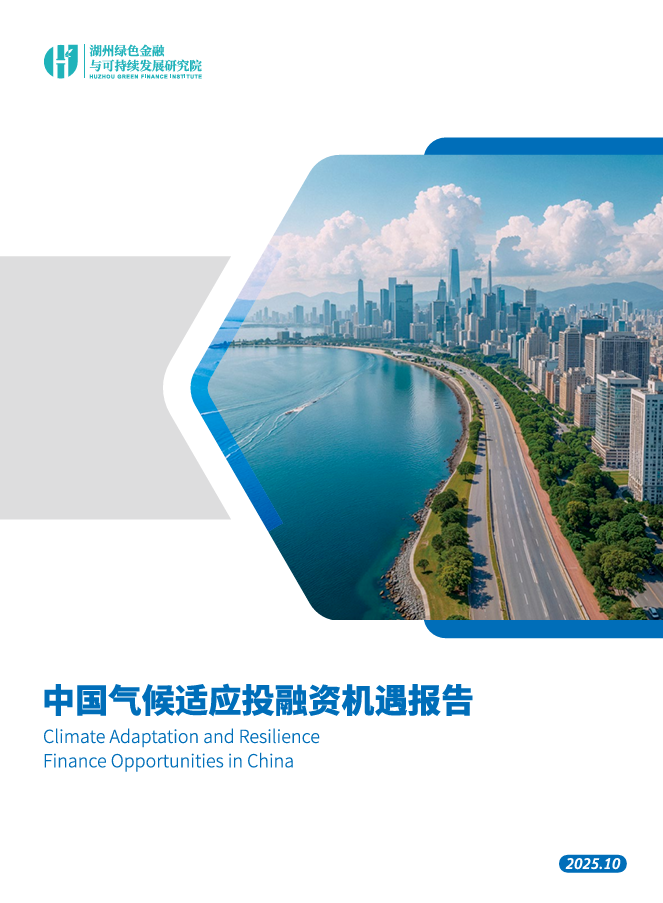
In October 2025, the Institute partnered with the International Finance Corporation (IFC), a member of the World Bank Group, to conduct the first study of market opportunities for climate adaptation finance and investment in China. The project resulted in the publication of the Chinese report Climate Adaptation Finance and Investment in China and an accompanying English brief. Four related events were held in Shanghai, Chengdu and other cities, raising market awareness of climate adaptation and providing capacity-building support to practitioners. These activities helped translate research findings into practical market applications.
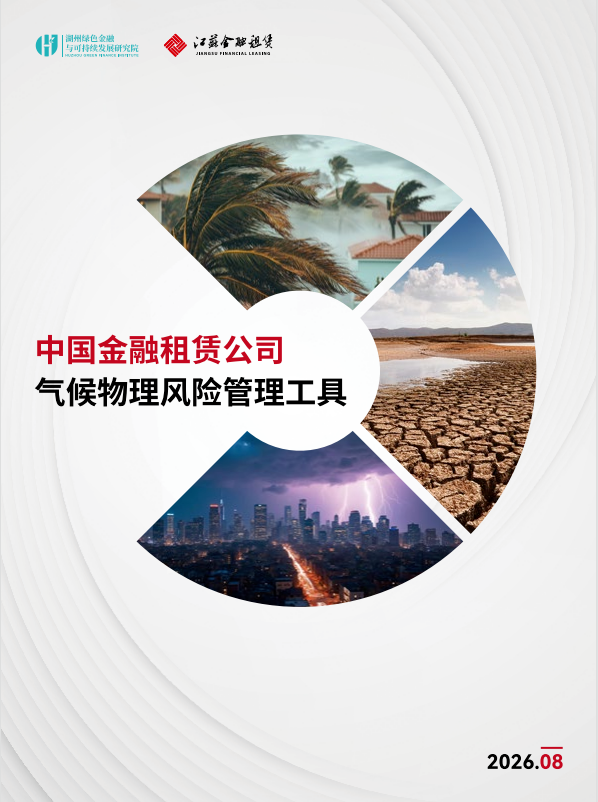
In February 2026, the Institute extended its collaboration with IFC in climate resilience finance by launching research on a methodology and toolkit for assessing physical climate risks for financial leasing companies in China.
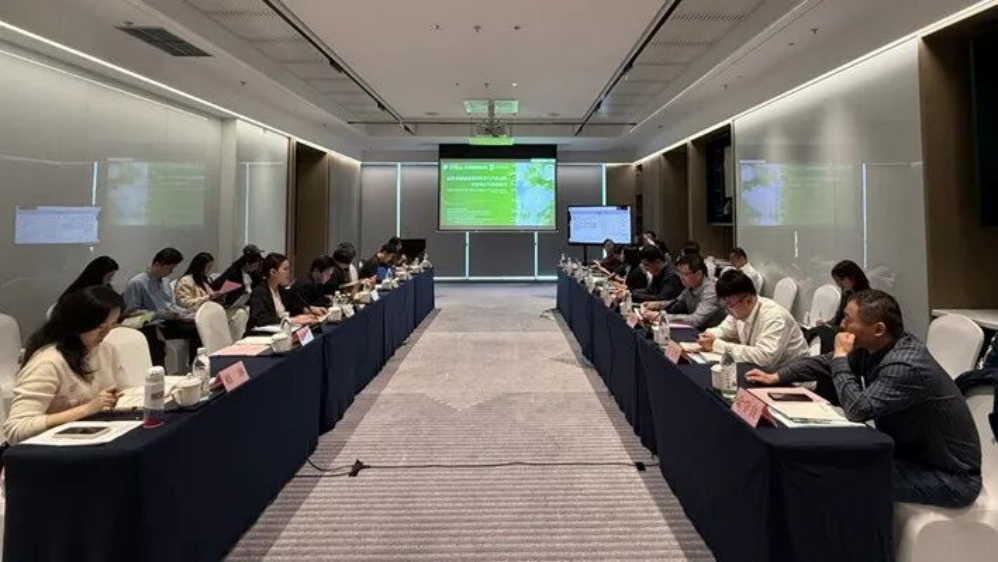
In May, a closed-door expert consultation was convened in Beijing to review the research. Participants included representatives from financial regulatory authorities, financial institutions, multilateral development institutions, insurance and reinsurance companies, capital market institutions, and research organisations.
In August, the Physical Climate Risk Management Tool for Financial Leasing Companies in China was officially released, accompanied by a thematic training programme entitled Supporting the Development of a Climate-Resilient Society: Climate Risk Management and Resilience Investment for Financial Institutions.
Localising the TNFD Framework and Advancing Biodiversity Finance in Huzhou
Protecting biodiversity and enabling financial institutions to identify and manage nature-related risks arising from their financing and investment activities are increasingly important components of ecological conservation and sustainable finance.
In 2024, the Institute partnered with the Huzhou Branch of the Industrial and Commercial Bank of China (ICBC) to undertake China’s first banking-sector initiative on biodiversity risk management for financing and investment projects. The results were presented at the Annual Conference of the Green Finance Committee of the China Society for Finance and Banking in September that year.
Building on this collaboration, the Institute continued its work in 2026 by developing the sector’s first meteorological-data-driven dynamic biodiversity risk management research project. The project is designed to establish a dynamic nature- and climate-related risk management framework spanning the full process of risk identification, product innovation and internal controls.
By combining emerging international practices with banks’ operational needs, the project supports financial institutions in embedding climate- and nature-related risk management into their day-to-day business processes.
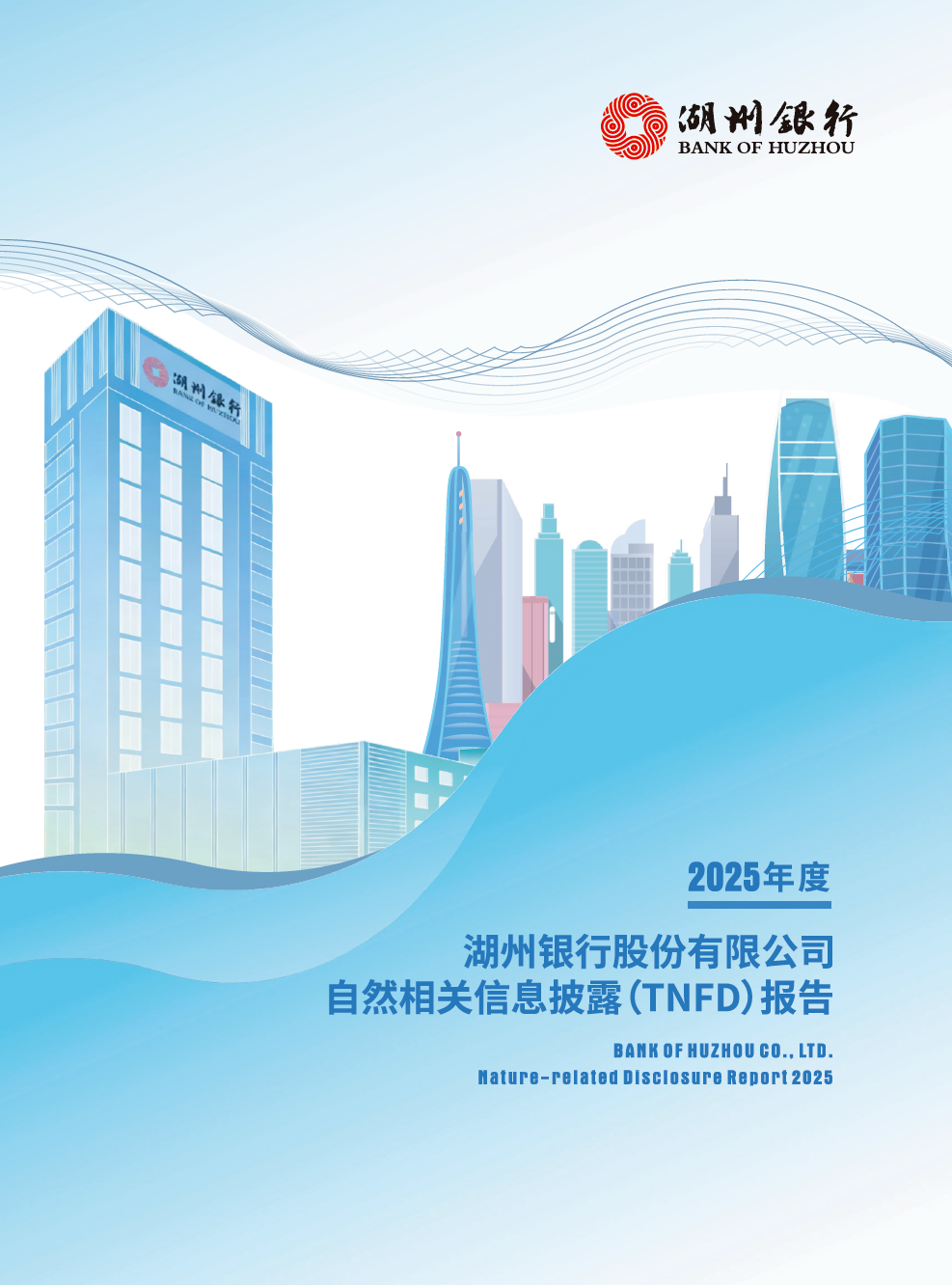
The Institute has also provided targeted technical support to local banking institutions in strengthening green compliance and sustainability practices. It assisted Shanghai Pudong Development Bank’s Huzhou Anji Sub-branch in completing its annual greenhouse gas emissions inventory and related reporting, and supported the Bank of China Huzhou Branch and Bank of Huzhou in preparing and implementing disclosures aligned with the Taskforce on Nature-related Financial Disclosures (TNFD) framework.
Advancing Transition Finance to Support the Low-Carbon Transformation of Carbon-Intensive Industries
Strengthening the green foundations of development does not mean pursuing carbon reduction through a one-size-fits-all approach. It requires enabling regional economies and traditional industries to undertake an orderly, credible and economically viable low-carbon transition.
Over the past year, the Institute has conducted the research project From 1 to N: Scaling Transition Finance in Huzhou. The study systematically reviews Huzhou’s transition finance journey from initial experimentation to implementation, identifies the collaborative mechanisms developed among government, financial institutions and enterprises, and examines the constraints affecting the next stage of scaling and quality improvement.
The research provides practical recommendations for deepening transition finance in Huzhou while codifying local experience into approaches that can be replicated and adapted in other regions across China.
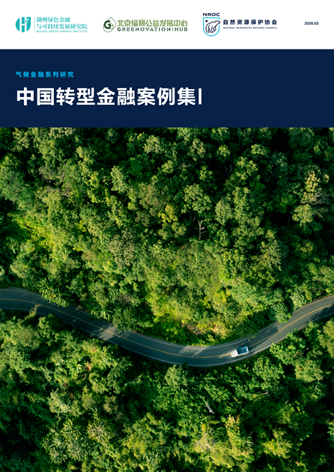
Looking beyond Huzhou, the Institute also selected leading transition finance practices from across the country and compiled the bilingual China Transition Finance Casebook I. The English edition was presented on an international platform during the 30th UN Climate Change Conference (COP30), while the Chinese edition was launched at the Institute’s inaugural Green Finance Salon, themed Green Finance for Low-Carbon Transition and Climate Resilience: China’s Approach and Thailand’s Pathways.
Strengthening International Cooperation and the Sustainable Finance Ecosystem
international partnerships
The Institute works closely with international organisations including the International Finance Corporation (IFC), the Natural Resources Defense Council (NRDC), the World Resources Institute (WRI), and Asia Research and Engagement (ARE) on sustainable finance research and implementation.
It has also actively supported the implementation of the Nature Finance Accelerator Program (NFAP) of the Asian Infrastructure Investment Bank (AIIB) at Bank of Huzhou and Bank of Jiangsu.
In supporting NFAP implementation, the Institute focuses on practical barriers to scaling nature finance. Through technical assistance, it has helped Bank of Huzhou embed nature-related risk assessment and project screening criteria into core business processes, strengthening the bank’s capabilities across project admission, ongoing management and financial product innovation.
Building Platforms and Developing Professional Capacity
Creating a platform for industry dialogue
The Institute successfully convened its inaugural Green Finance Salon, themed Green Finance for Low-Carbon Transition and Climate Resilience: China’s Approach and Thailand’s Pathways. The event brought together representatives from government agencies, financial institutions, and domestic and international think tanks to exchange perspectives on China’s practices in green finance, transition finance and climate finance, as well as the development of Thailand’s climate finance and investment framework.
Going forward, the Institute will develop the Salon into a recurring platform, bringing together domestic and international institutions for thematic discussions, case sharing and cross-border dialogue. Through this mechanism, it aims to facilitate mutual learning, deepen practical cooperation and strengthen the platform’s professional and international influence.
Strengthening capacity in transition finance
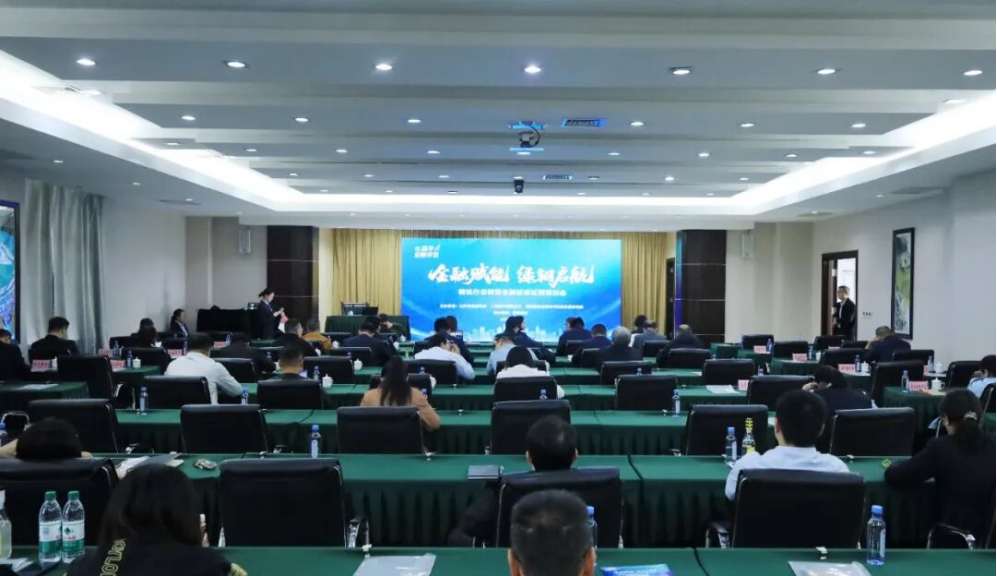
The Institute has delivered transition finance capacity-building programmes in Huzhou, Wuhan and Laiwu, Shandong. In May 2026, it organised the “Finance for Green Steel Transition” training programme in Laiwu to support the pilot application of transition finance standards in the steel industry, helping financial institutions and enterprises strengthen their capacity to support industrial decarbonisation and upgrading.
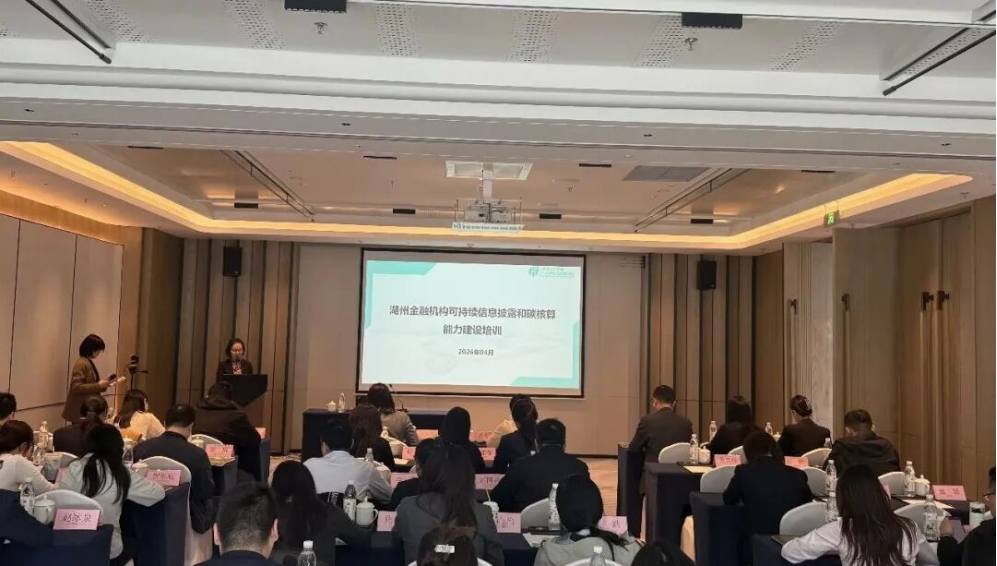
To address broader capacity-building needs within Huzhou’s financial sector, the Institute has also delivered specialised training on sustainability disclosure and carbon accounting. With an emphasis on practical implementation, these programmes help financial institutions identify and manage environmental and climate-related risks more effectively while directing financial resources towards green, low-carbon and biodiversity-friendly projects.
Developing professional talent for sustainable finance
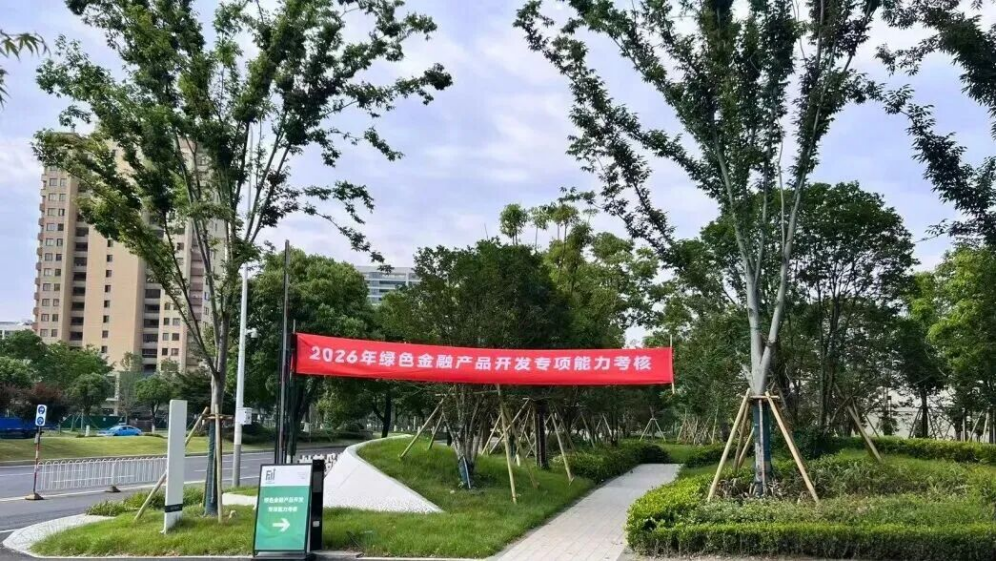
Building on Huzhou’s pioneering experience as a national green finance reform and innovation pilot zone, the Institute works with the Institute of Finance and Sustainability (IFS) in Beijing to regularly organise China’s first Green Finance Professional Certification (GFPC) examination. A dedicated examination centre has been established at Huzhou Green Finance Harbor, supported by standardised examination procedures and an assessment framework.
The certification programme is aligned with China’s national green finance policy framework while incorporating Huzhou’s practical experience in green finance reform. It integrates local implementation cases, industry standards and professional competencies into a structured certification system for green finance practitioners.
Successful candidates may obtain certificates issued respectively by relevant Zhejiang human resources and social security authorities, IFS, and the Capacity-building Alliance of Sustainable Investment (CASI), providing recognition across government, industry and international capacity-building platforms.
Through the regular delivery of the GFPC examination, the Institute continues to translate Huzhou’s local green finance experience into standardised and replicable professional capacity. To date, the programme has trained and certified 163 participants, strengthening the talent base for the high-quality development of the green finance sector.
Developing a Zero-Carbon Demonstration Unit and Putting Green Development into Practice
Translating research into action begins with the Institute’s own operations
In 2026, a photovoltaic power generation system was installed at the Institute’s premises within Huzhou Green Finance Harbor as part of the development of a standardised and replicable zero-carbon demonstration unit.
By incorporating green office practices, low-carbon operations, energy conservation and efficiency improvements into its day-to-day activities, the Institute is turning green and low-carbon principles into operational practice and developing a demonstration model for zero-carbon operations among think tanks and professional institutions within the Green Finance Harbor.
The Institute will further consolidate its implementation experience, identify replicable pathways and develop the project into a practical case study. The aim is to provide a demonstrable and transferable model for the broader development of a zero-carbon Green Finance Harbor and for the low-carbon transformation of comparable institutions across the region.
Looking Ahead
National Ecology Day is both an opportunity to reaffirm the principles of ecological civilization and a starting point for renewed action.
Looking ahead, the Institute will continue to build on Huzhou’s position as the birthplace of the concept that “lucid waters and lush mountains are invaluable assets.” It will deepen its work across five priority areas: zero-carbon industrial parks, climate resilience finance, transition finance, biodiversity finance, and the realisation of the value of ecological products.
Through research that combines analytical depth with practical applicability, the Institute aims to develop more scalable models and replicable solutions for green and low-carbon development.
At the same time, it will strengthen two-way international cooperation and continue building an open and collaborative sustainable finance ecosystem. By serving as a bridge between research, policy, finance and practice, the Institute will seek to channel financial resources towards ecological conservation and sustainable development, providing robust intellectual and practical support for strengthening the green foundations of Chinese modernization.

 HZGF
HZGF